Affordable Tick Control in Wayne, NJ
Affordable tick control Wayne NJ — compare local tick-spraying options, seasonal plans, and pet-safe yard treatment quotes from available Wayne-area providers.
- Free quote request
- Pet-safe options
- Seasonal plan estimates
- Wayne-specific tick guide
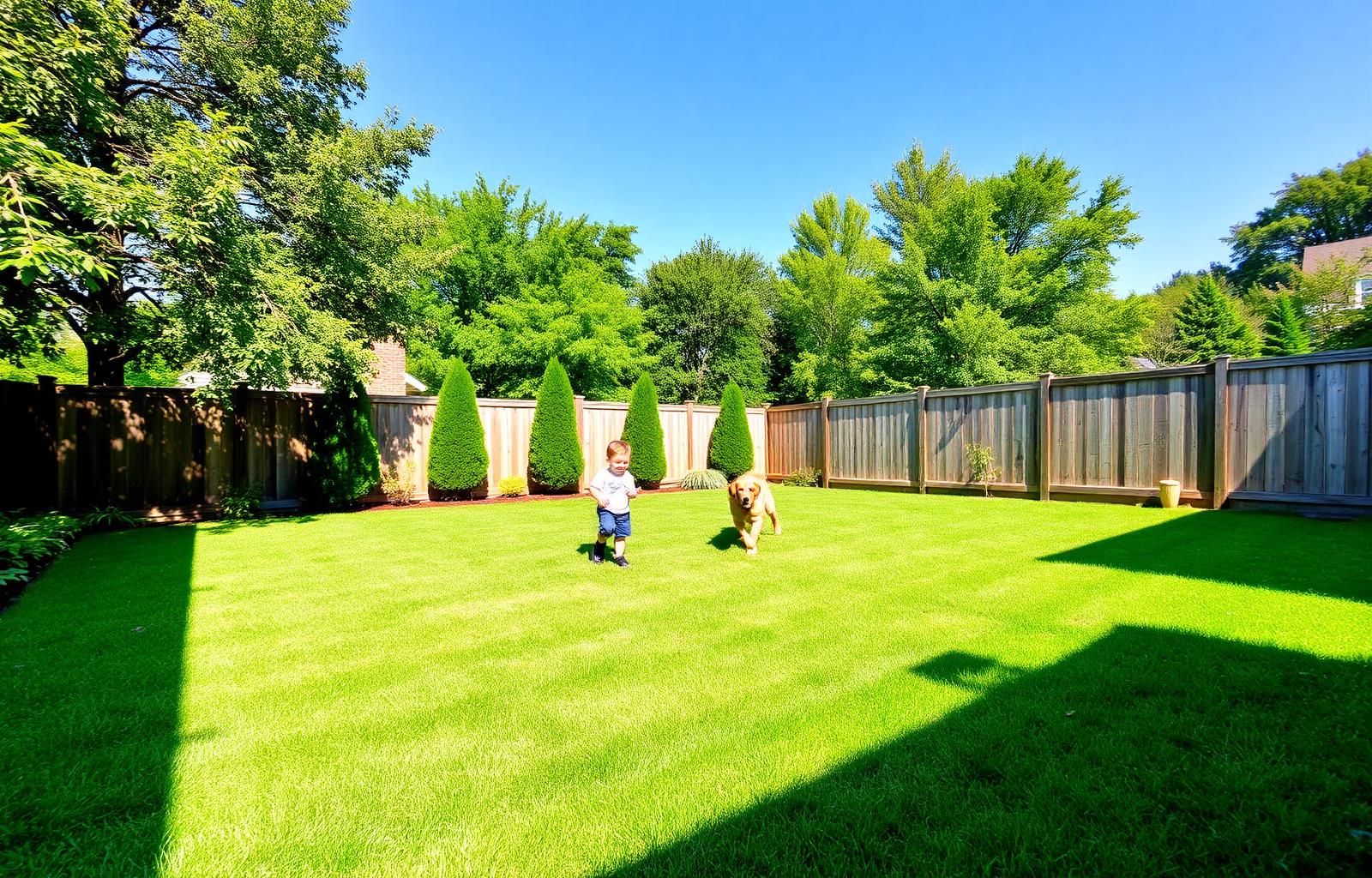
What Affordable Tick Control does
Affordable Tick Control is a Wayne, NJ quote request and research site — not a pretend storefront. We help homeowners understand local tick risk, compare typical treatment options, and request pricing from an available tick-control provider.
That matters because tick treatment quotes vary by wooded edge, slope, groundcover, pets, kids' play areas, and whether a yard needs one event treatment or a seasonal April–October plan. One form gives the provider the details needed to respond with a useful quote instead of a generic pest-control callback.
Why affordable tick control matters in Wayne, NJ
New Jersey consistently reports one of the highest rates of Lyme disease in the United States, with thousands of confirmed cases each year according to the CDC. Passaic County — where Wayne sits between the Ramapo Mountains and the Pompton River — has wooded lots, leaf litter, and deer corridors that make blacklegged (deer) ticks especially active from April through October.
A single tick bite can transmit Lyme, anaplasmosis, or babesiosis. A properly timed barrier treatment of your yard can reduce tick populations by up to 90% in treated zones — keeping kids, dogs, and visitors safer during peak nymph and adult-tick activity.
The 3 tick species you'll actually find in a Wayne, NJ yard
Not every tick carries the same risk. Knowing which species is on your property changes how — and when — a provider should treat.
Blacklegged (deer) tick
Ixodes scapularis · sesame-seed sized · reddish-brown body, black legs
The species that transmits Lyme disease, anaplasmosis, and babesiosis. Peak activity in Passaic County is May–June (nymphs) and again October–November (adults). In northern NJ, a meaningful share of nymphs test positive for the Lyme bacterium — this is the tick that drives the yard-treatment decision for most Wayne homeowners.
American dog tick
Dermacentor variabilis · pencil-eraser sized · brown with off-white markings
The tick most likely to latch onto a dog after a walk along the Pompton River or in Wayne's town parks. Can transmit Rocky Mountain spotted fever and tularemia. Most active April through early August in tall grass, trail edges, and unmowed lawn.
Lone star tick
Amblyomma americanum · aggressive · single white dot on female's back
Historically a southern species, now well established in Passaic County. Associated with ehrlichiosis and — increasingly — alpha-gal syndrome (a red-meat allergy triggered by a tick bite). Actively hunts hosts rather than waiting to be brushed against, which makes yard barrier treatment especially valuable.
Why Wayne? The town sits at the intersection of the Ramapo foothills, the Pompton River corridor, and dense residential woodlots in neighborhoods like Packanack Lake, Pines Lake, Preakness, and Mountain View. That combination — mature oak, high white-tailed deer density, and abundant white-footed mice (the primary Lyme reservoir) — creates unusually strong tick pressure for a NJ suburb.
Tick hot zones in a typical Wayne, NJ yard
The CDC estimates that roughly 80% of blacklegged ticks in a residential yard are concentrated in a handful of predictable micro-habitats. During a quote review or yard inspection, these are the spots a tick-control provider should check first:
- The 3-foot 'transition edge' where mowed lawn meets woods, wild brush, or a neighbor's untended fence line
- Stone walls and rock piles — cool, shaded, humid, and full of mice
- Wood piles stacked against the house, garage, or shed
- Leaf litter under rhododendrons, azaleas, and hydrangeas
- Groundcover beds of pachysandra, ivy, myrtle, and vinca
- Kids' swing sets, treehouses, and trampolines placed near tree lines
- Dog runs and the perimeter of chain-link fencing behind the yard
- Unmowed strips along driveways, mailboxes, and utility easements
- Bird feeders and squirrel feeders (they attract deer and mice)
- Composters, brush piles, and the shady north side of the house
Lyme disease in Wayne and Passaic County — by the numbers
Top 10
New Jersey consistently ranks in the top 10 U.S. states for confirmed Lyme disease cases (CDC).
~5,000
Confirmed and probable Lyme cases reported statewide each year, per NJ Department of Health surveillance data.
30–50%
Share of adult deer ticks in northern NJ that test positive for the Lyme bacterium in university surveillance studies.
A single unnoticed tick bite is enough. Nymph-stage deer ticks are the size of a poppy seed and are responsible for the majority of Lyme transmissions — which is why providers time spring treatments to hit peak nymph activity in May and June.
Month-by-month tick calendar for northern New Jersey
What's happening in your yard — and what Wayne homeowners should consider — from the first warm week of spring through the last mild week of fall.
April
Adult deer ticks emerge as soon as ground temps break 45°F. A first treatment can lock in a clean starting baseline before nymphs hatch.
May
Nymphal deer ticks — poppy-seed sized and responsible for most Lyme transmissions — reach peak activity. Highest-priority spray window of the year.
June
Nymph activity continues through school-vacation and BBQ season. Second seasonal treatment (roughly 3–4 weeks after May) maintains the barrier.
July
American dog ticks peak; lone star ticks become aggressive in wooded yards. Great time to add a mosquito service if you haven't.
August
Tick pressure dips slightly during hot dry stretches — a good month for a lighter maintenance treatment focused on shaded edges.
September
Larval deer ticks are active in leaf litter. Yard clean-up and edge treatment now prevents the fall population spike.
October
Adult deer ticks re-emerge and are aggressively looking for a fall blood meal. Second peak of the year — final treatment protects through leaf raking and pumpkin picking.
November–March
Adult deer ticks stay active on any day above ~40°F. Scheduled applications may pause in winter, but tick-safe yard cleanup (leaf removal, wood-pile relocation) still matters.
What to expect on treatment day
Most Wayne, NJ yards can be treated in 30–45 minutes once a provider has measured the yard and confirmed the tick hot zones.
- 1
Arrival window
Most providers text or call with an arrival window the morning of service so you're not guessing when someone will show up.
- 2
Two-minute walk-around
The technician should do a quick perimeter walk to note hot zones — a fresh brush pile, a swing set near trees, or a section of fence line that grew in since spring.
- 3
Targeted application
Using a backpack mister, the provider applies an EPA-approved barrier treatment (or cedar-oil, if you chose a natural plan) to wood edges, leaf litter, stone walls, groundcover beds, and shrub bases — not open lawn.
- 4
Pet & family re-entry
Most products dry in 30–60 minutes on a typical day. Once dry, properly applied treatments are safe for kids, dogs, cats, and backyard use.
- 5
Service summary
Ask for a text or email summary showing what was treated, what to watch for, and when the next seasonal visit should happen.
- 6
Free re-treatment guarantee
If ticks show up between visits, many providers offer a re-treatment window. Confirm that guarantee before scheduling a seasonal plan.
Tick-control quotes you can request
Straightforward treatment categories for northern New Jersey yards — with pet-safe and all-natural options depending on provider availability.
Free yard inspection
A Wayne-area provider can review your property, identify high-risk zones (wood edges, leaf litter, stone walls), and give you a clear written quote.
Targeted barrier spray
EPA-approved, low-toxicity treatment along property edges, shrubs, and tick hot zones. Most products are dry and safe for pets and kids within an hour.
Seasonal protection plan
Repeat treatments every 3–4 weeks from April–October. Ask each provider whether re-treatment is included if ticks return between visits.
Honest price ranges for Wayne, NJ quotes
Single treatment
From $89
One-time barrier spray — great for events and BBQs.
Most popular
From $59/mo
Seasonal protection plan — Apr–Oct, every 3–4 weeks.
All-natural option
From $109
Cedar-oil based treatment for fully organic households.
Ask about the guarantee before you book. A strong Wayne tick-control quote should explain the treatment area, dry time, re-entry rules, visit cadence, and whether re-treatment is included if ticks return between scheduled visits.
Wayne, NJ and nearby quote request areas
The main focus is affordable tick control in Wayne, NJ, with nearby Passaic County towns included when provider coverage is available.
How it works
1. Request a quote
Fill out the short form or call with your Wayne property details.
2. Provider review
An available provider reviews yard size, tick zones, and access.
3. Quote and schedule
You receive pricing and the next available appointment window.
4. Ongoing protection
A seasonal plan can reduce ticks through spring, summer, and fall.
Frequently asked questions
Get your free Wayne, NJ tick-control quote
Tell us a bit about your yard. We route the request to an available Wayne-area tick-control provider so you can get pricing and the next available appointment window.
Prefer to call? (973) 220-6859
Wayne, NJ quote requests · Pet-safe and seasonal options